
 By Jordan Mann
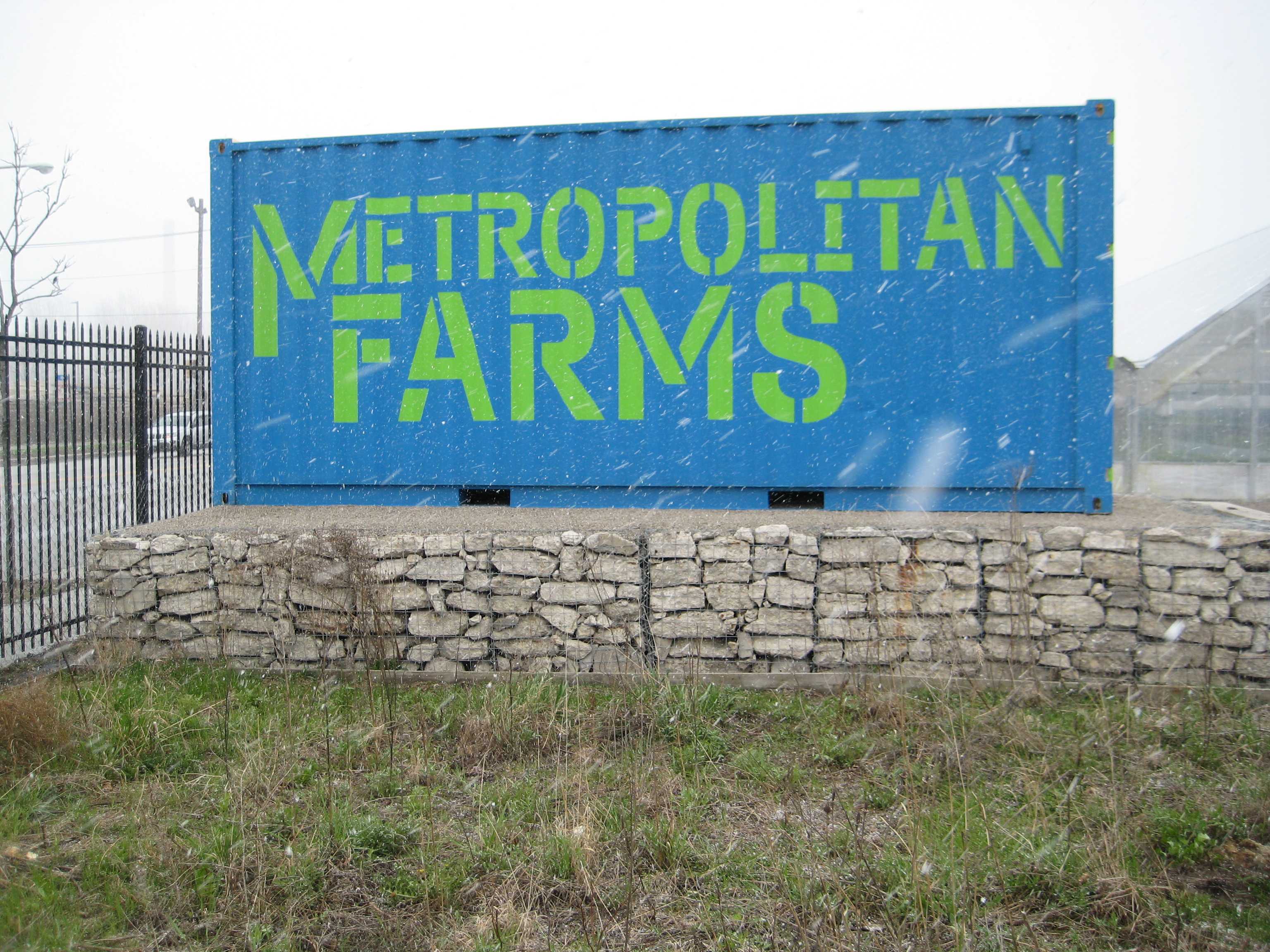
Metropolitan Farms, at 4250 W. Chicago Ave., began commercial sales in August 2015, about a year after construction began. Most of the labor was done by the two owner/entrepreneurs Benjamin Kant and Eugene Funke. This is an aquaponics farm. “Aquaponics is the pairing of aquaculture and hydroponics. Aquaculture is fish farming and hydroponics, growing plants in water” explained Kant.
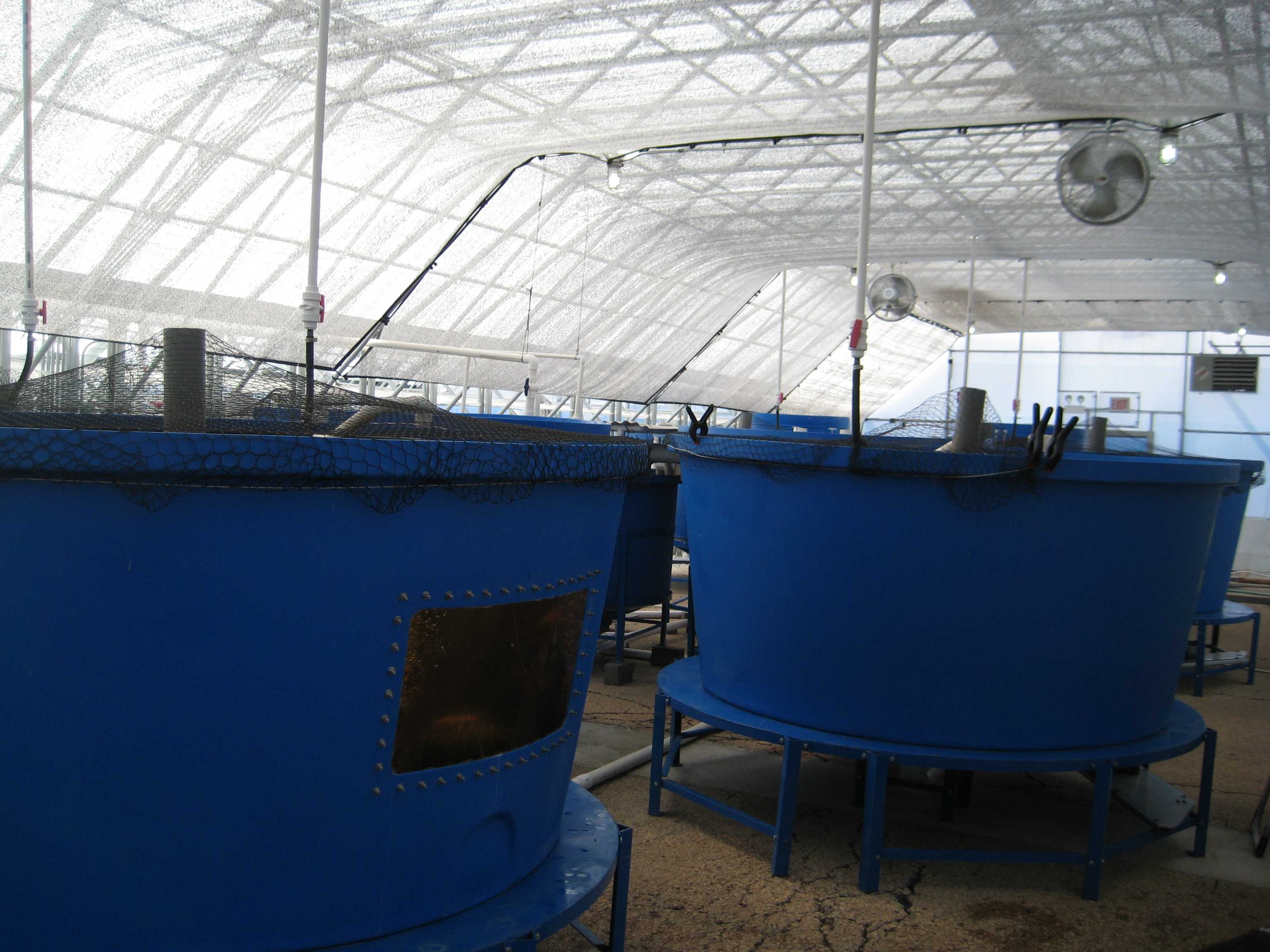
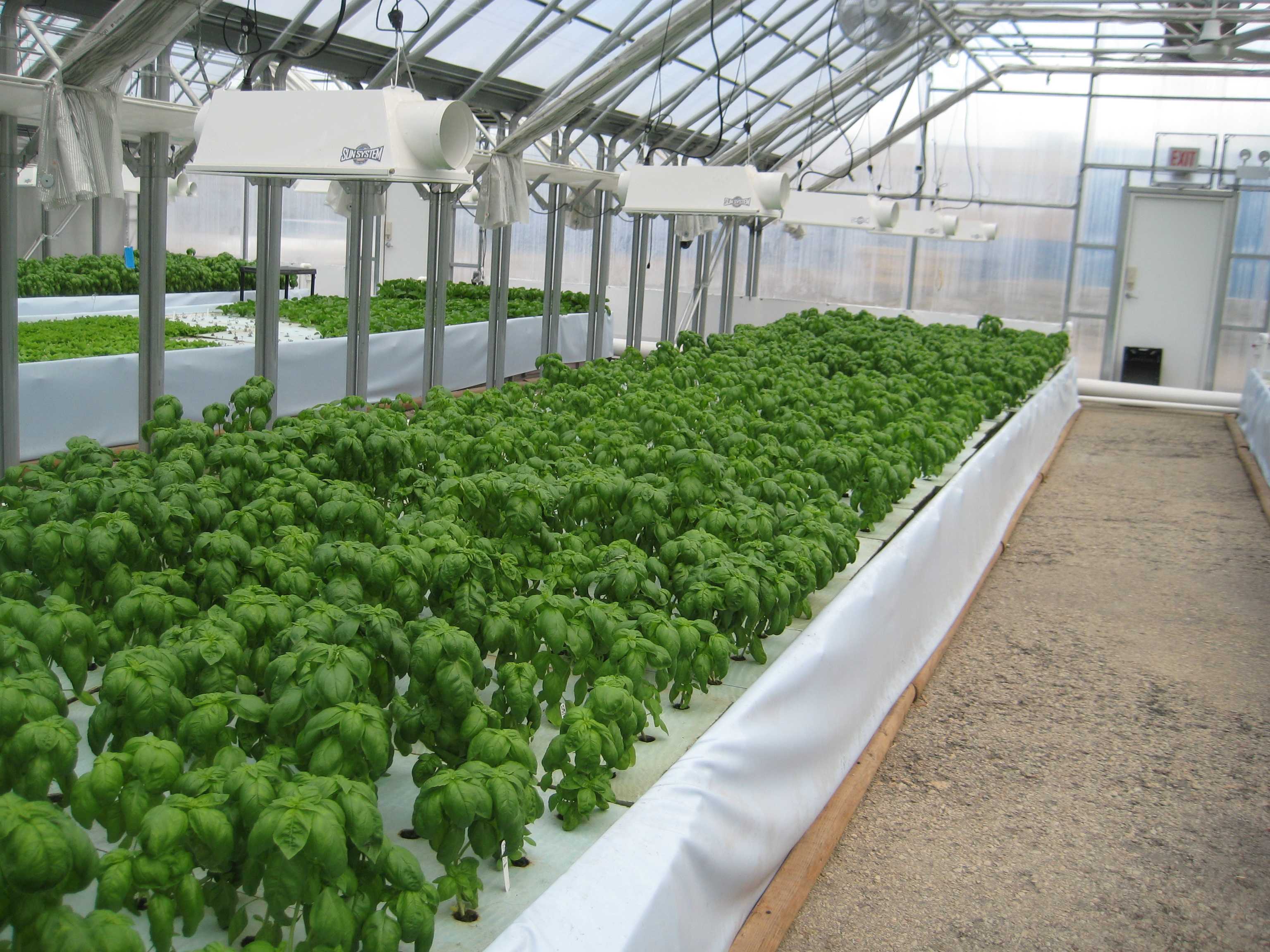
The farm consists of a 10,200 square foot greenhouse separated into three bays, one for tilapia farming and two for plant farming. Metropolitan grows: Genovese Basil, bib, romaine and oak leaf lettuce, mustard greens, Shiso, watercress, kale and chard.
The Fish
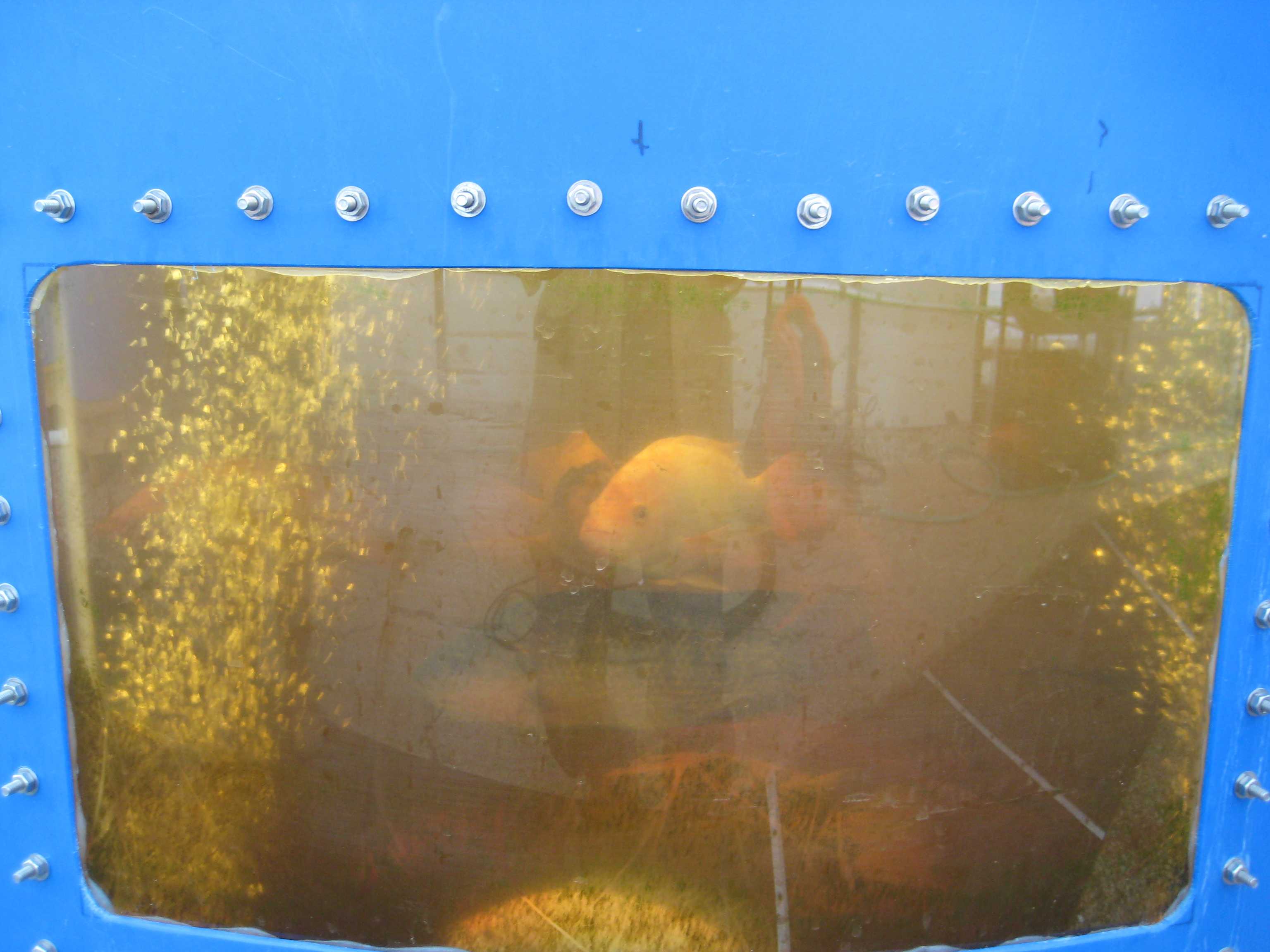
The farm buys tilapia as small half gram fry. The fry start in a separate system consisting of six small tanks. When they weigh about fifty grams they are moved into the main system consisting of six 800 gallon tanks, holding 400 fish per tank. When they reach 1.5 to 2 pounds the fish are harvested and sold to local retailers. It takes the fry about eight months to grow from half a gram to harvest weight.
The plants
Most of the plants are grown in long, table high pools. They are planted in styrofoam rafts that float on the water. As they mature they move down the pool. When their journey brings them to the end of the pool they are harvested. A worker simply plucks the plant out of the raft and cuts off the roots. The empty rafts are moved to the beginning of the pool, replanted with seeds and start another journey. The harvested produce is packaged and shipped to a local retailer within hours of picking.
The System
The fish waste is high in ammonia, it is sent through a filtering system that removes the large solids and sends the rest to feed bacteria. The bacterium converts the ammonia to nitrogen. The now nitrogen rich solution is then sent to the hydroponic pools where the plants consume the nitrogen. The water, now free of both the ammonia and nitrogen is sent back to the fish tanks and the process starts anew. As Kant explained, “We grow really three crops, the fish, the bacteria and the plants. You just can’t see the bacteria.”
The large solids are sent to a different tank in the ground where they percolate with bacteria and then are fed into a slightly different hydroponics system. In this system the plants grow in something that looks like small rocks. The rocks are really a very light weight and porous glass material. Along with the plants, this system is full of red wiggler worms. The worms consume the solid waste turning it into worm castings, an excellent natural plant fertilizer.
The Environment
Metropolitan does not use any fertilizers other than the fish poop and no insecticides. To control plant pests, “We find predators for the pests that we encounter” said Kant. For instance a common pest is thrips. To control thrips, they use mites that eat the thrips, the mites do not damage the plants and their population is controlled by the thrips population. The mite population declines as their food source, the thrips, declines.
For tours of the facility visit their web site at http://www.metro-farms.com/.