



















During the week of Oct. 4, the Student Athlete Advisory Committee hosted a ribbon making event outside of the cafeteria to help raise awareness of the mental resources available at CUC.
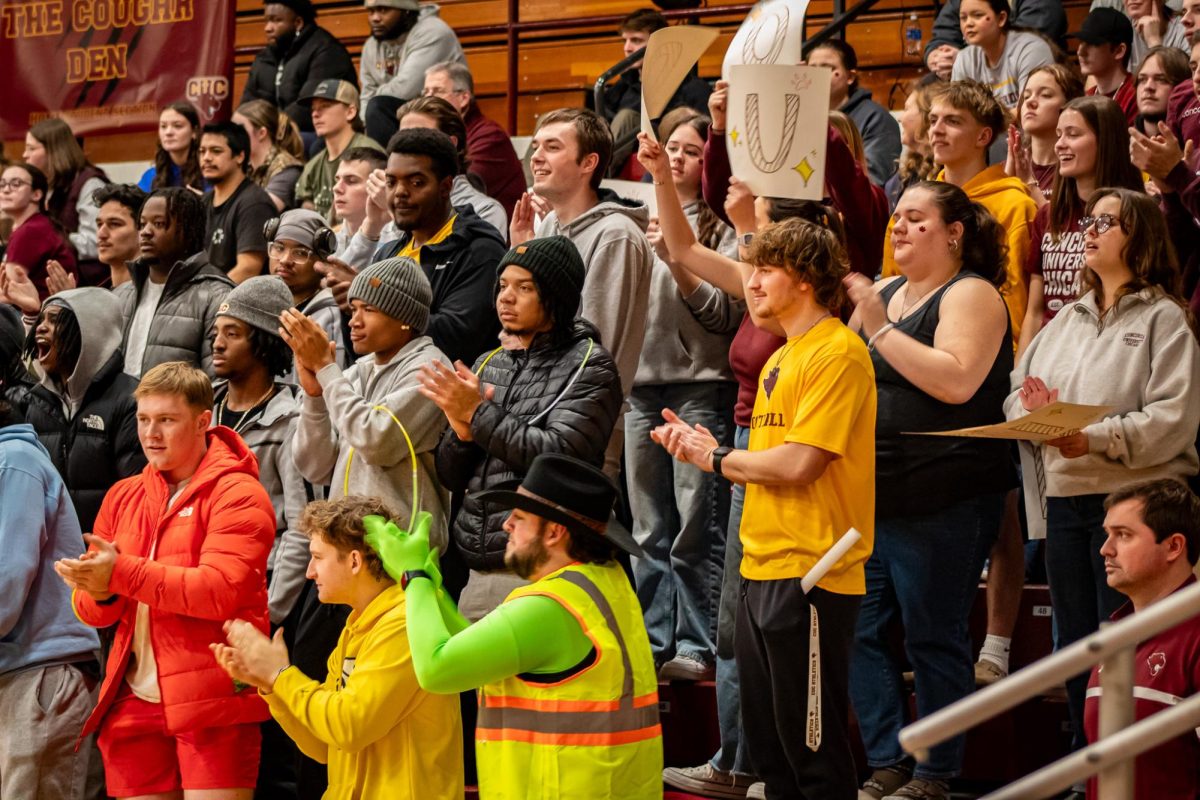
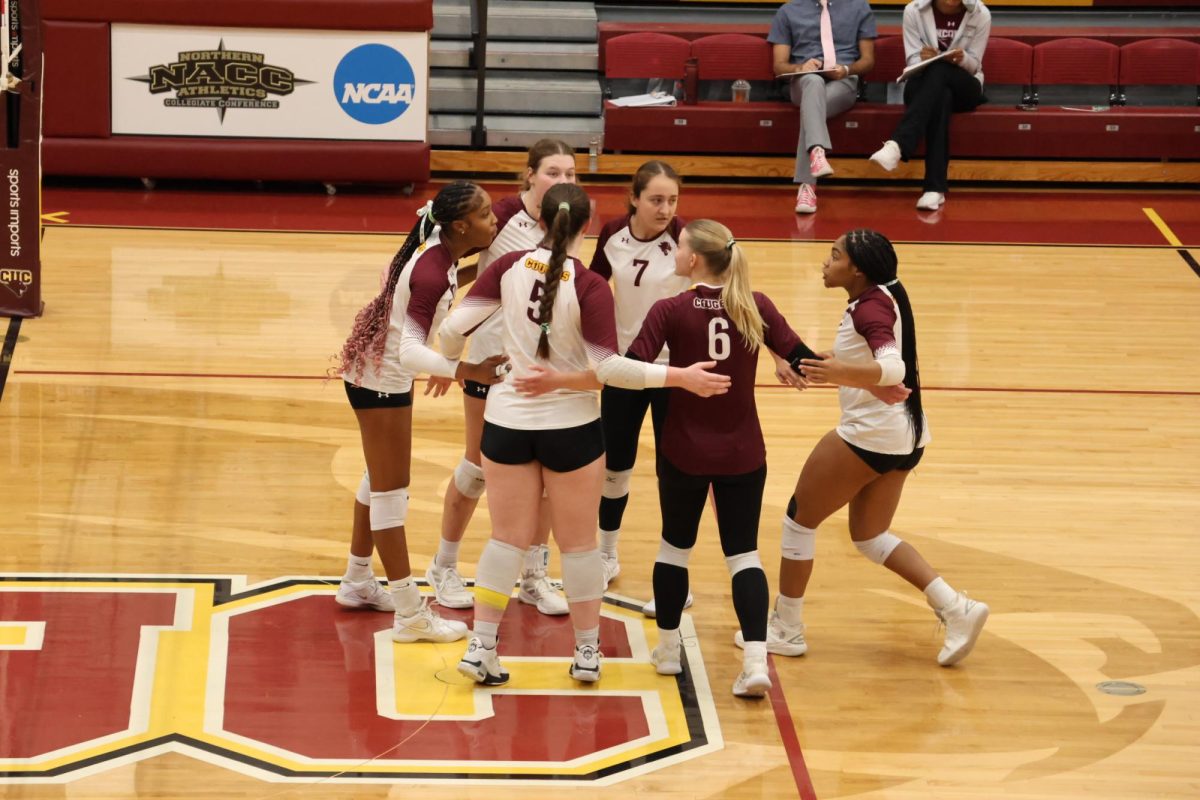
The men’s soccer team and the women’s volleyball team had fans wear all green, the color for mental health, to their games on Oct. 8 and Oct. 11 to help bring awareness to the struggles that athletes experience.
Jordan Lacey, a member of the football and basketball team and also a part of SAAC, had a close friend of his commit suicide when they were in the 6th grade. Since then, Lacey, a psychology student, has become a big advocate for mental health.
“The goal of being part of Hilinski Hope is to spread awareness for any student athlete who may be struggling with mental health,” Lacey said.
On Jan. 16, 2018, Tyler Hilinski, a quarterback for the Washington State University football team, committed suicide in his apartment. To honor his life, his parents Mark and Kym founded the Hilinski Hope Foundation later that same year.
In the years since the foundation began, schools from all levels and all across the country have joined in Hilinski Hope. This year there were 182 schools who were part of Hilinski Hope. These schools range in size from the University of Alabama and the University of Georgia, which each have around 40,000 students, to our very own CUC.
Student athletes at CUC face the same struggles as student athletes across the country. The long days of practice, working out, watching film, along with the stresses that come from their performances, can leave athletes struggling with their mental health.
Mental health, specifically the mental health of collegiate student athletes, is an issue that has become more mainstream in the past decade. A 2019 poll by the NCAA found that 65% of the student athletes they surveyed reported suffering from anxiety, while 39% of young adults who are not student athletes who reported suffering from anxiety. The NCAA also found that 45% of their athletes report suffering from depression, compared to 27% of non-athletes in the same age range who reported depression.
The British Journal of Sports Medicine also found from 2002-2022 the suicide rate for college athletes has doubled from 7.6% to 15.3% and there have been 128 college athletes who have committed suicide during that time frame.
The Hilinski Hope Foundation was created in an effort to destigmatize mental illness and get student athletes the help they need.
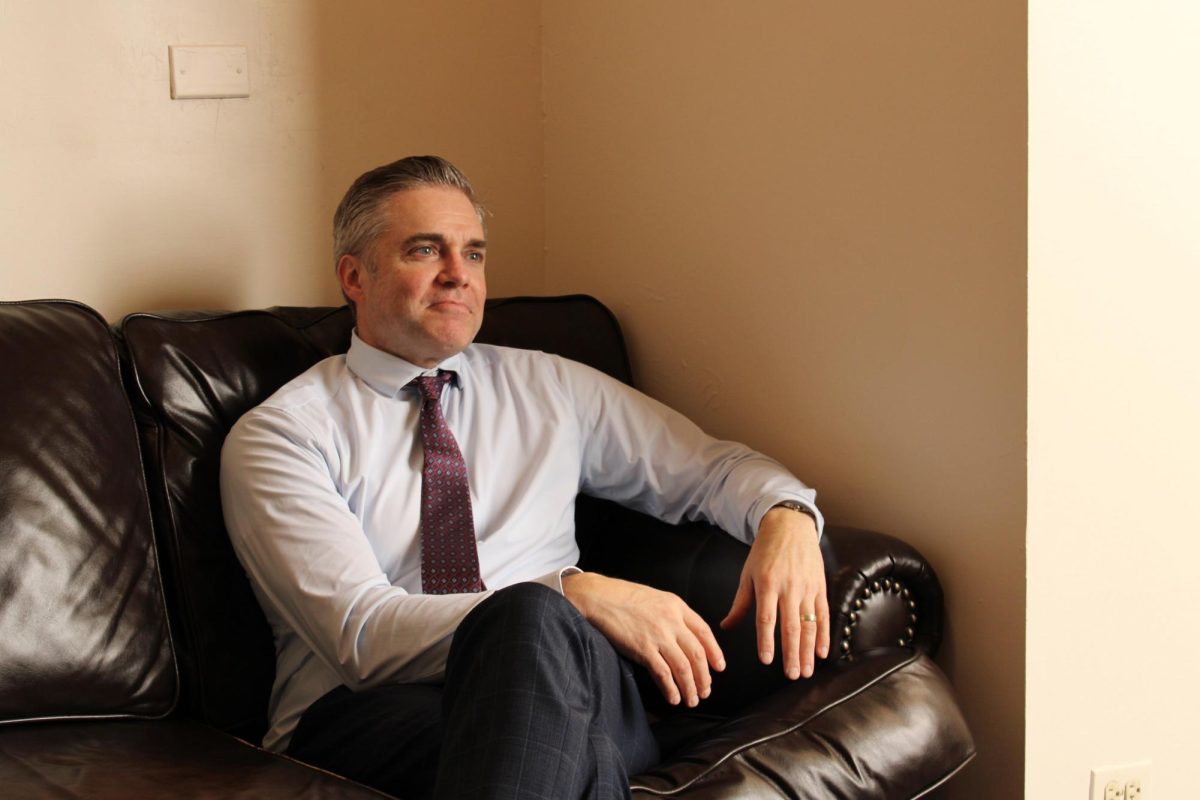
One of the resources that CUC provides for all students is the counseling center.
“Our goal is helping people realize they can manage what life is throwing at them,” said Chris Johnston, head of the counseling center. “We want to help people with what might be normal stresses and problems versus what is a real mental illness.”
Both Lacey and Johnston offer their help to any student at CUC who thinks they may be struggling with a mental illness.
“If someone feels they are going through something, come to the counseling center to get assessed,” said Johnston. “We will help get you further help if it is needed.”
Though Student Athlete Mental Health week was Oct. 4-11, this issue is one that CUC and many other schools are committed to tackling year round to make sure that number of college student athlete suicides does not grow.
“If you feel alone, there are resources here to help, and I would be happy to talk to anyone who would feel uncomfortable seeing a counselor,” Lacey said.
Shortly after the ribbon making event, Lacey was able to talk to a female athlete who had been struggling with her mental health and he was able to provide her with resources to get the help she needs. Last Lacey heard, she was going to be seeing a counselor to get help.