

With flu season among us, it is our job to take precautions to cease the spread of germs that can lead to a cold or the
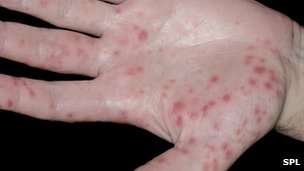
flu. In addition to colds and the flu, there is another disease traveling around the Concordia Campus and the River Forest-Oak Park area. This disease is known as Hand Foot and Mouth Disease (HFMD). Hand Foot and Mouth is a virus most commonly found in children, but it can spread to adults. There is an Early Childhood Education Center (ECEC) located on campus in the Christopher Center. According to the Director of the ECEC, Doris Knuth, HFMD has been detected at the Center multiple times this semester. Many CUC students who work at the ECEC are exposed to this virus. We are all in close proximity to this disease.
Many cases of HFMD have been detected not only at Concordia, but also in the River Forest area. Elisabeth Greaney, a River Forest resident noted a mild case of HMFD in her 2 year old son. Her son takes part in music classes in River Forest, she believes that is where he may have been exposed to the virus. It is also possible that an adult might have carried the virus and passed it along to him. Doris Knuth explains: “adults have developed a strong immunity to many viruses, colds, and sicknesses which is why they may not experience the symptoms of HFMD, but may carry the virus in their systems for a few days/weeks.” Although HFMD is not as common amongst adults as it is in kids, cases have still been detected in adults. The severity of this disease is not as frightening as the symptoms make it out to be, but we still need to take precautions. Mrs. Knuth recommends that we all wash our hands frequently, take a shower/bath if we know we have been in contact with someone who has or has had HFMD recently, and sanitize objects that can carry and transmit germs and bacteria. These tips might seem trivial, but they could save you from wasting a few days in bed covered in sores.
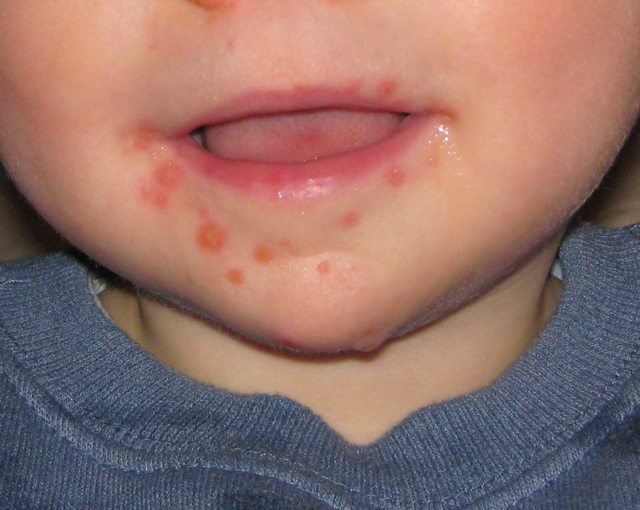
The overall symptoms may include a fever, loss of appetite, or dehydration. Physical symptoms may include, blisters, redness, or rashes on the skin, and sores in or around the mouth. Ointment will help relieve some of the symptoms, but they will usually clear up on their own within a few weeks. Even when the physical symptoms of this disease are no longer visible, the virus can remain in your system for up to 3 weeks.