

By Roma Avila
Just like people, animals need to have outlets for their stress, and bringing home a friend for the holidays might be the fix you need to help out. Before making a rash decision, becoming educated and informed is key to helping without harm. So how does this work? Many shelters lack space, in the U.S., between six and eight million animals are brought to shelters each year according to foundanimals.org, they also note, the top reasons pets are dropped off at shelters are: moving, cost and allergies.
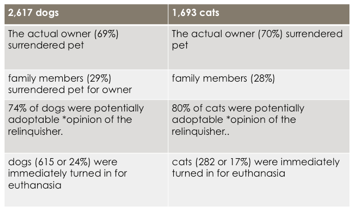
The Journal of Applied Animal Welfare Science conducted a survey in 2001 involving 2,617 dogs at a regional shelter. Of those dogs, 74 percent were potentially adoptable by opinion of the owner surrendering their pet, and 24 percent were turned in for euthanasia. In an article published by USA Today, Betsy Saul, the president and co-founder of Petfinder.com said, “So many of the pets are [in shelters] because of a family’s change in lifestyle, either a divorce or having to move, not because they’re undesirable.”
Committing a selfless act without creating a world of stress and heartache can be hard. The idea of adoption is always great, but the reality is not always what we expect. The long-term commitment, and unexpected events that change our decisions and life, can create consequences that impact those furry friends in ways that we may not intend, but there are other ways to help. Not many are aware of fostering.
According to Judy Heffron, a volunteer and animal relocation coordinator for Magnificent Mutts, “Fostering is a rewarding way to help an animal in need. Often times we need homes in emergency situations. Sick owners who can’t care for a pet or in some cases, neglected or special medical needs that need to be attended to. Without fosters, hundreds if not thousands of animals would be put down.”
Some organizations do not have funding for facilities and rely heavily on volunteers and donations to relocate homeless animals. Magnificent Mutts is a home-based rescue, no shelter, that foster both dogs and cats. Even with every effort to save a life, many foster programs will require foster parents to sign release forms for euthanasia in cases where animals are deemed unadoptable. Let’s face it, not every facility is a no kill shelter; some animals are rescued from high kill shelters and attempts to relocate or find temporary homes for them are exerted, if a home cannot be found, whether temporary or permanent, then these animals face euthanasia.
The Huffington Post article, “Why Foster Pets can be Difficult to Bid Goodbye,” reminds us there is always hope. “There is no nationwide data on fosters,” the article says, “but most shelters, even open admission or kill shelters, have some kind of program, and those programs can mean the difference between life and death for animals at the highest risk.’
